Jeju Female Divers Uprising
Jan. 12, 1932
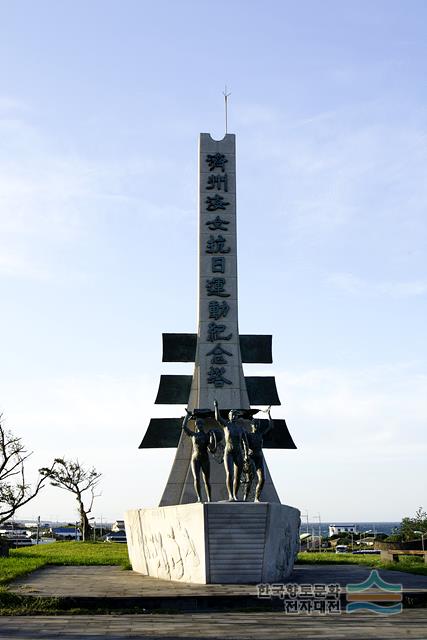
From WCH:
On 12 January 1932, thousands of local fisherwomen on Korea’s Jeju Island, known as haenyeo, marched towards Sehwa Five-day Market, wielding hoes and abalone knives, in what became known as the Jeju Female Divers’ Uprising. The haenyeo were angered by their loss of control over the Jeju Haenyeo Association (established in 1920 to protect haenyeo rights and interests but turned into a docile group controlled by the Imperial Japanese authorities) and the underpricing of seaweed and other seafoods harvested by the haenyeo.
At Sehwa Market, haenyeo leaders from local villages around Jeju Island made speeches to reinforce the resolve of the protesters. Coincidentally, the Japanese provincial governor of Jeju Island, Taguchi Teiki, was touring Sehwa village when he stumbled upon the protest. The angry haenyeo surrounded his car, shouting “If you respond to our demands with force, we will respond with death”. The governor agreed to talk, and the haenyeo presented him with demands, including a reassessment of the price of the harvests, exemption of the haenyeo from Haenyeo Association union dues and the governor’s withdrawal from his concurrent role as head of the association. The governor promised to meet their demands but reneged several days later and dispatched armed police to arrest 34 haenyeo leaders, putting an end to the protests.
For centuries, the sea diving and harvesting skills of the haenyeo sustained Jeju families, and thus the haenyeo were symbols and heads of Jeju Island’s local semi-matriarchal society. Subject to extortion and exploitation by officials of Korea’s Joseon Dynasty and later Imperial Japan, the haenyeo are now in decline in modern South Korea, due to competition from other industries and the dwindling attractiveness of haenyeo labour.
On 12 January 1932, thousands of local fisherwomen on Korea’s Jeju Island, known as haenyeo, marched towards Sehwa Five-day Market, wielding hoes and abalone knives, in what became known as the Jeju Female Divers’ Uprising. The haenyeo were angered by their loss of control over the Jeju Haenyeo Association (established in 1920 to protect haenyeo rights and interests but turned into a docile group controlled by the Imperial Japanese authorities) and the underpricing of seaweed and other seafoods harvested by the haenyeo.
At Sehwa Market, haenyeo leaders from local villages around Jeju Island made speeches to reinforce the resolve of the protesters. Coincidentally, the Japanese provincial governor of Jeju Island, Taguchi Teiki, was touring Sehwa village when he stumbled upon the protest. The angry haenyeo surrounded his car, shouting “If you respond to our demands with force, we will respond with death”. The governor agreed to talk, and the haenyeo presented him with demands, including a reassessment of the price of the harvests, exemption of the haenyeo from Haenyeo Association union dues and the governor’s withdrawal from his concurrent role as head of the association. The governor promised to meet their demands but reneged several days later and dispatched armed police to arrest 34 haenyeo leaders, putting an end to the protests.
For centuries, the sea diving and harvesting skills of the haenyeo sustained Jeju families, and thus the haenyeo were symbols and heads of Jeju Island’s local semi-matriarchal society. Subject to extortion and exploitation by officials of Korea’s Joseon Dynasty and later Imperial Japan, the haenyeo are now in decline in modern South Korea, due to competition from other industries and the dwindling attractiveness of haenyeo labour.