El Viejo, Viceroy of Peru arrives in Lima
June 29, 1556
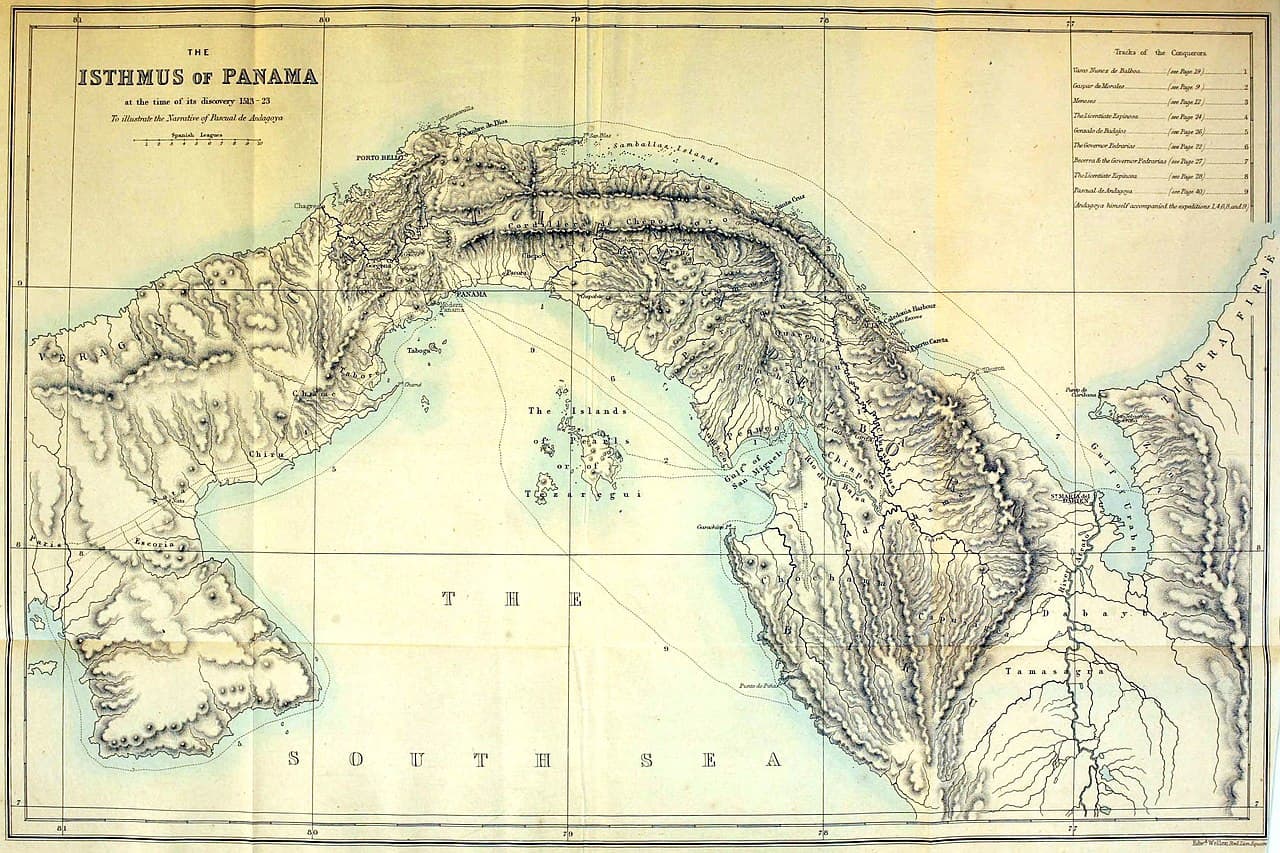
On his way to Peru, this colonial official traveled through Panama, during which he commissioned captain Pedro de Ursúa to subdue the uprisings of escaped enslaved peoples in the isthmus of Panama. This event is one of many which are refered to as the 'Bayano Wars', which refer to a long and generalized uprising of enslaved peoples and their Indigenous allies in Panama across the 1500's. While the commissioned captain Ursúa was successful in defeating Bayano (Vallano) himself and certain Spanish colonial histories describe his defeat as an end to the cimarron resistance, historical documents suggest otherwise. From Ignacio Gallup-Diaz's work on the uprisings, he states about Panama ~20 years after the capture of Bayano: "in the year 1574 it is said that they number 3,000 and more, and that they freely live and operate there without any means available to overpower them due to the conditions of the land". Cimarrons in Panama existed from the beginning of slavery in the area. Bayano himself is believed to have arrived around 1552 and led an important uprising during that year where he and his comrades established a separate society. Again I quote Ignacio Gallup-Diaz' scholarship on the subject "Having fought for and attained their freedom, they resisted those who attempted to reenslave them; they attacked the economic interests of the Spanish empire; and they assisted the enemies of that empire. Even while hunted by their enemies, the cimarrones established complex communities that integrated military and political leadership, religious practitioners, and liberated families." Interestingly, another slave uprising occurred at the same time against Spanish colonizers in Venezuela. This uprising was led by Miguel I de Buría, an enslaved worker in the San Felipe Mines who seized control of the mines and established a maroon colony in the nearby mountains which survived until his death in 1555.