Pidjiguiti Massacre is perpetrated by Portuguese colonial official in Guinea Bissau, kicking off an 11 year armed rebellion that led eventually to the end of colonial rule
Aug. 3, 1959
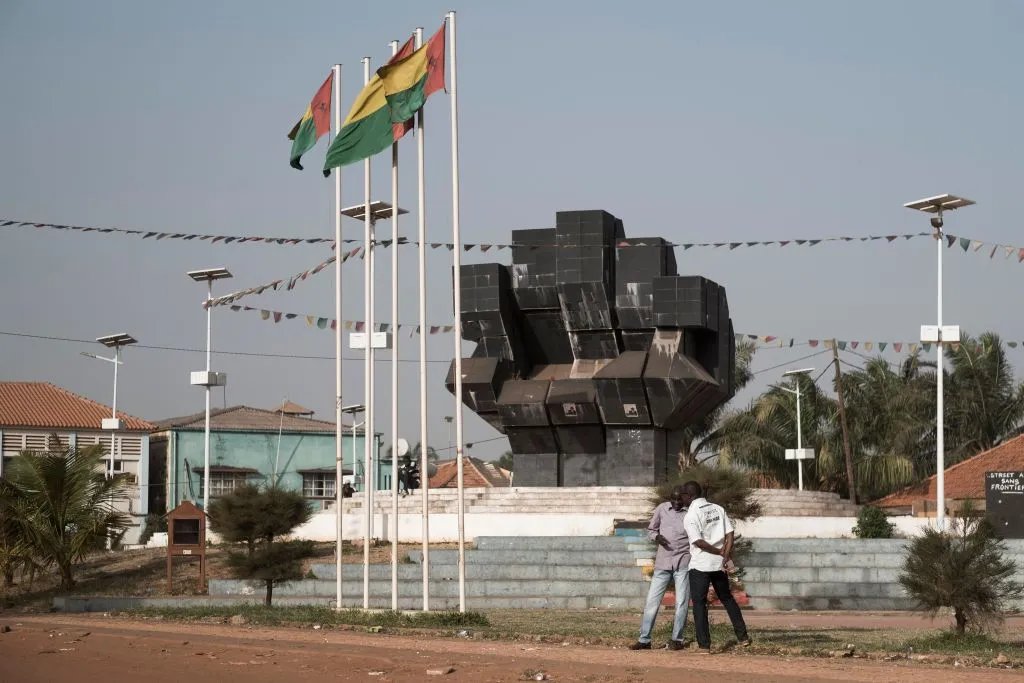 Statue of a Black fist which commemorates the massacre and the struggle for independence in Guinea Bissau. It is called Mão de Timba, which roughly translates to “the hand of a crook” or a “person who accrues debt and doesn’t plan to pay it back”
Striking dockworkers and sailors in Portuguese controlled Guinea Bissau were attacked by Portuguese colonial authorities on this day in 1959, with around 50 people killed and hundreds more injured. The strikers were supported by Amílcar Cabral's group African Party for the Independence of Guinea and Cape Verde (P.A.I.G.C.) which was founded in 1956, and intended to peacefully call for an end to colonial rule. Workers were asking for better wages and working conditions from Casa Gouveia, the colonial company responsible for shipping. The massacre by the authorities was the catalyst for PAIGC's abandonment of nonviolence and the beginning of their ultimately successful armed struggle for independence. PAIGC would control ~80% of the countryside within ten years of popular armed struggle, and full independence would be declared in 1973. August 3rd is now Colonization's Martyr's Day in Guinea Bissau.