British Rulers Begin ‘Golden Stool’ War With Ashanti Tribe (Yaa Asantewaa War)
March 28, 1900
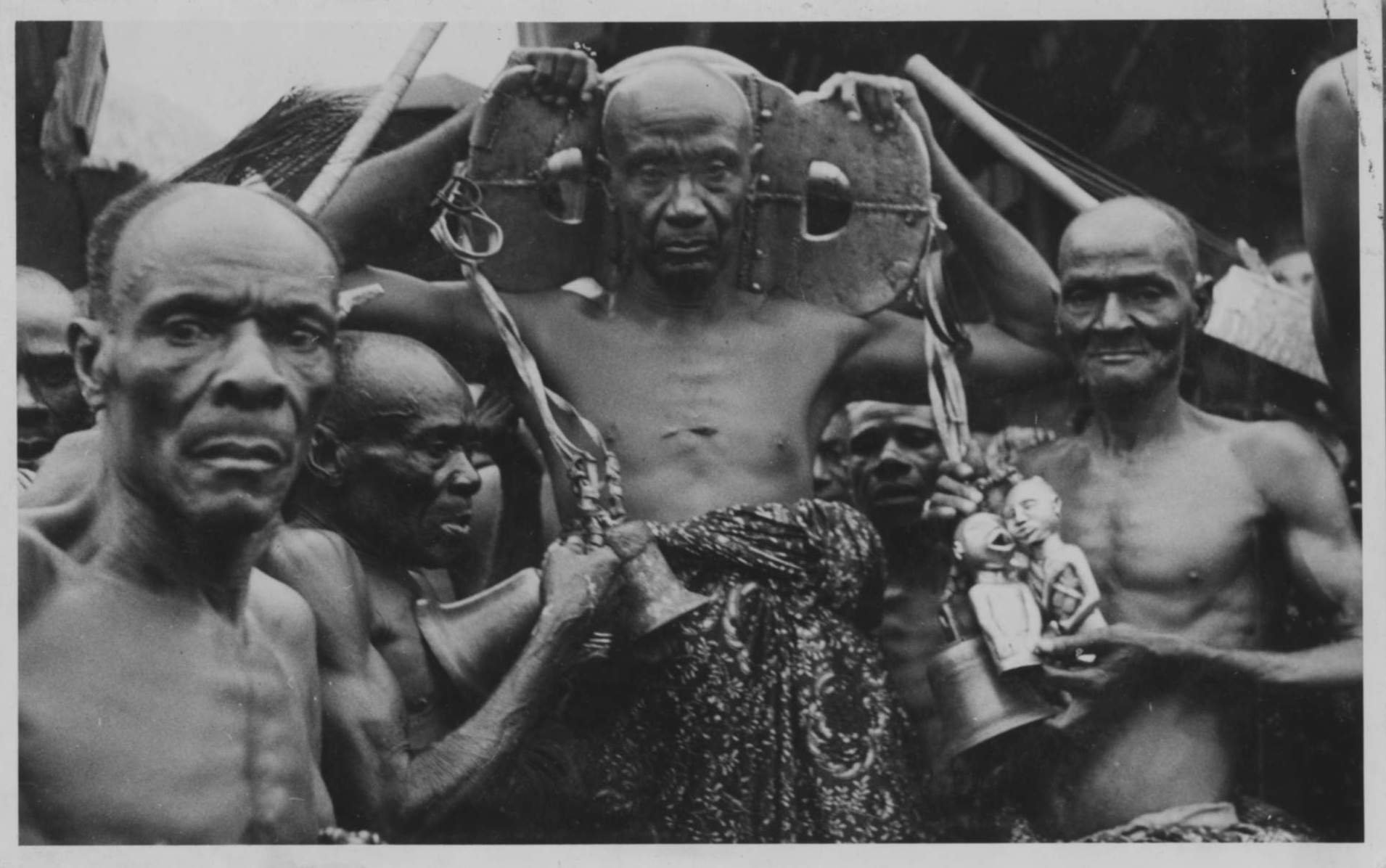 Golden Stool of the Ashanti, is carried during a ceremony in 1946. Official photograph (West African Photographic Service, Accra, Gold Coast)
This conflict was the final in a series of anti colonial struggles of the Ashanti people from the then named Gold Coast of Africa (now Ghana) against British rule. Following these prior wars, British troops reoccupied Ashanti territory in January 1896. In his quest to subjugate the Ashanti people, British colonial administrator Frederick Hodgson demanded he be given the Golden Stool, which was a symbol of Ashanti national unity. In response to this demand, Yaa Asantewaa I and other leaders met to decide what to do. Yaa Asantewaa I was a Queen Mother of Ejisu in the Ashanti Empire, and she ultimately led the resistance of ~5000 fighting force. In one translation of her speech she's reported to have said "The Golden Stool only means money to the whitemen; they have searched and dug everywhere for it. I shall not pay one predwan to the governor. If you, the chiefs of Asante, are going to behave like cowards and not fight, you should exchange your loincloths for my undergarments." Soon after, the rebellion laid siege to the British fort at Kumasi. After several months of successful seige and approximately 1000 British soldiers killed, the colonial governor sent sufficient troops to put down the uprising. Yaa Asantewaa and other leaders were banished to Seychelles where she would live until her death. Despite their defeat, the Golden Stool was never turned over to the British, and remains an important cultural object to the Ashanti today.
On March 6, 1957, Ghana would gain its independence from British rule and became the first sub-Saharan African country to do so.
On March 6, 1957, Ghana would gain its independence from British rule and became the first sub-Saharan African country to do so.