Birthday of Vern Harper (Asin or Asini in Cree)
June 17, 1936
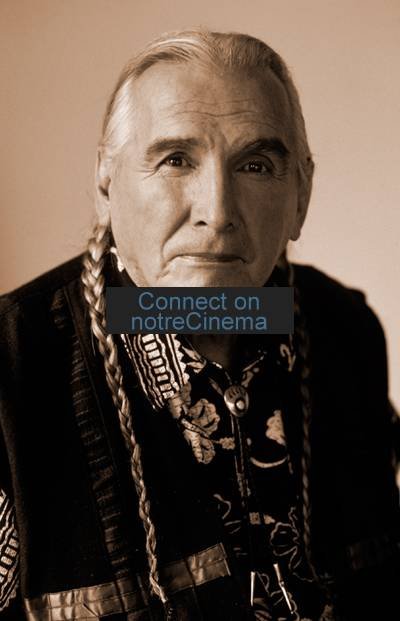
Vern Harper, ᐊᓯᓂ was a Cree Elder, medicine man, Indigenous rights activist, veteran and boxer from Tkaranto (Toronto). Orphaned at a young age, he was separated from his family and culture and put into a white foster home. As a teenager he ran away and returned to his mothers community, Mistawasis in Saskatchewan where he reconnected and learned the Cree language. After spending time in the army and serving in Korea, he returned to Tkaranto where he began a career as a light heavyweight professional boxer. Known as Hurricane Harper, he lost only 7 matches out of 61.
Harper became sober in 1972, and became a leader of the American Indian Movement in Toronto, and served as vice-president of the Ontario Métis and Non-Status Indian Association. With his partner at the time, Pauline Shirt (Cree) they organized the Native Peoples Caravan in 1974 from Vancouver to Ottawa to address grievances.
In 1976, Harper and his then-wife Pauline Shirt founded the Wandering Spirit Survival School in Toronto. Now known as the Kapapamahchakwew - Wandering Spirit School, its objective is still to empower Indigenous youth with knowledge about their cultures, traditions and languages. Named the Cree war chief, Pauline found out later she was actually related to.
Harper was also one of the first Elders to have chaplain status as recognized by the Correctional Service of Canada. In jails, Harper provided spiritual services, sweat lodge ceremonies and traditional counselling to Indigenous and non-Indigenous inmates. Harper also counselled Indigenous youth offenders, acting as a youth court worker with the Aboriginal Legal Services in Toronto. He was deeply concerned with the rehabilitation of Indigenous men and women, seeking to keep Indigenous youth out of prison.
Canadian Encyclopedia writes "Lakota Elder Henry Crow Dog, a leader of the American Indian Movement in the late 1960s, and his son Chief Leonard Crow Dog, bestowed upon Harper the holy title of Heyoka — a person who brings the power of humour and of opposites into challenging situations in order to bring about healing and restoration. Harper is said to be the first non-Lakota person to be given this honour."
Harper became sober in 1972, and became a leader of the American Indian Movement in Toronto, and served as vice-president of the Ontario Métis and Non-Status Indian Association. With his partner at the time, Pauline Shirt (Cree) they organized the Native Peoples Caravan in 1974 from Vancouver to Ottawa to address grievances.
In 1976, Harper and his then-wife Pauline Shirt founded the Wandering Spirit Survival School in Toronto. Now known as the Kapapamahchakwew - Wandering Spirit School, its objective is still to empower Indigenous youth with knowledge about their cultures, traditions and languages. Named the Cree war chief, Pauline found out later she was actually related to.
Harper was also one of the first Elders to have chaplain status as recognized by the Correctional Service of Canada. In jails, Harper provided spiritual services, sweat lodge ceremonies and traditional counselling to Indigenous and non-Indigenous inmates. Harper also counselled Indigenous youth offenders, acting as a youth court worker with the Aboriginal Legal Services in Toronto. He was deeply concerned with the rehabilitation of Indigenous men and women, seeking to keep Indigenous youth out of prison.
Canadian Encyclopedia writes "Lakota Elder Henry Crow Dog, a leader of the American Indian Movement in the late 1960s, and his son Chief Leonard Crow Dog, bestowed upon Harper the holy title of Heyoka — a person who brings the power of humour and of opposites into challenging situations in order to bring about healing and restoration. Harper is said to be the first non-Lakota person to be given this honour."