Act for the relief of Indian Slaves and Prisoners passed in Territorial Utah
March 7, 1852
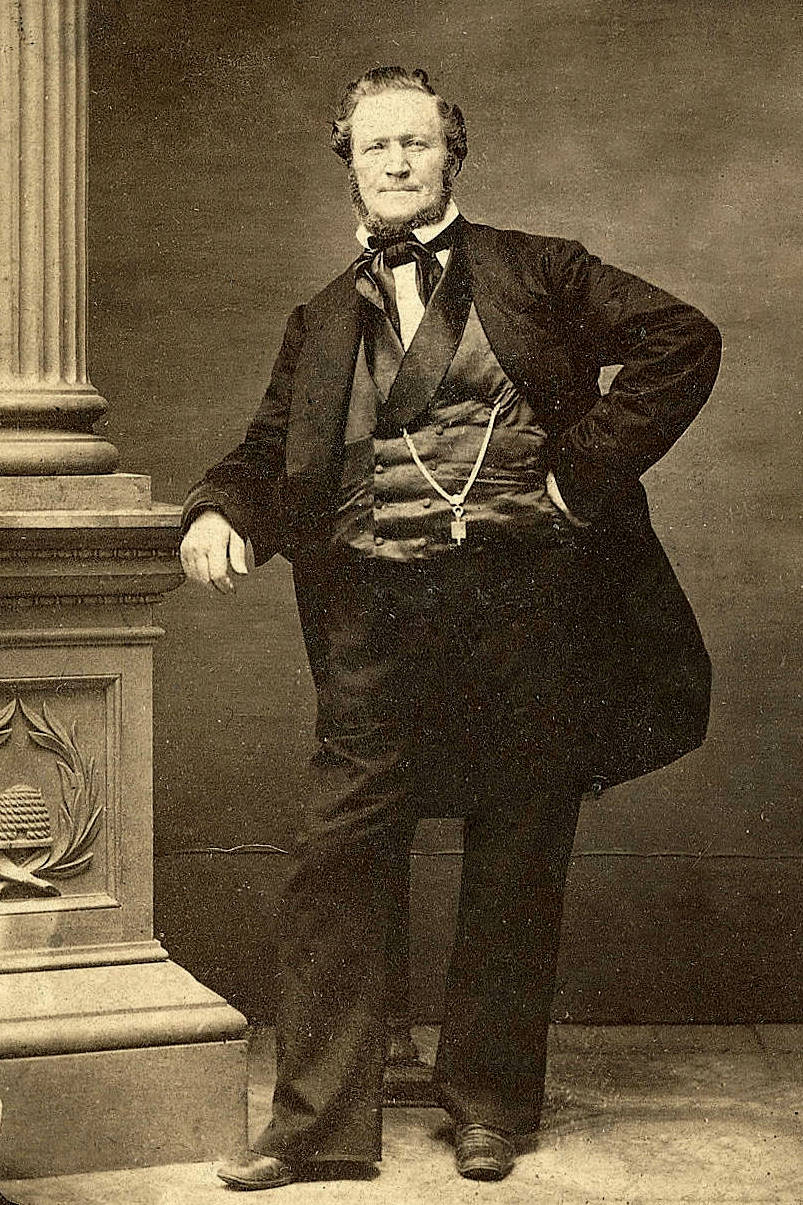 Brigham Young photographed by Charles Roscoe Savage, 1855
Although slavery was illegal in the area now known as Utah while it was a part of Mexico, a slave trade in Indigenous peoples existed and the Mormon settlers took part and encouraged it. In fact, when Mormon settlers first arrived in Utah in 1847, they came with enslaved Africans. Three slaves were a part of the very first party of settlers and more came later. When Utah became a part of the United States at the end of the Mexican-American war in 1848, Mormon leaders sought to legalize their slaving practices. Before this act, Mormon settlers had enslaved many Native peoples including en masse such as at the Battle of Fort Utah, a massacre conducted by Mormons where over 40 Timpanogos children, women, and a few men were sold to church members as slaves. Brigham Young encouraged the local slave trade while also informing Mexico he wished to stop the trade with Mexico. As a result of this act many early Mormon families stole Native children and kept them in their homes. This genocidal act is hard to quantify but by 1857 there were at least 400 enslaved Native Americans in Utah. Mormons and the church continue to try to excuse this act and their enslaving practices today by leaning on patronizing and assimilationist myths that the Mormons were somehow helping Native children by removing them from their communities and enslaving them. Today we remember the children stolen from their families and every Native parent who tried to prevent this from happening to them and their children.