Cheyenne-Battle Where the Girl Saved Her Brother. Also called Battle of the Rosebud
June 17, 1876
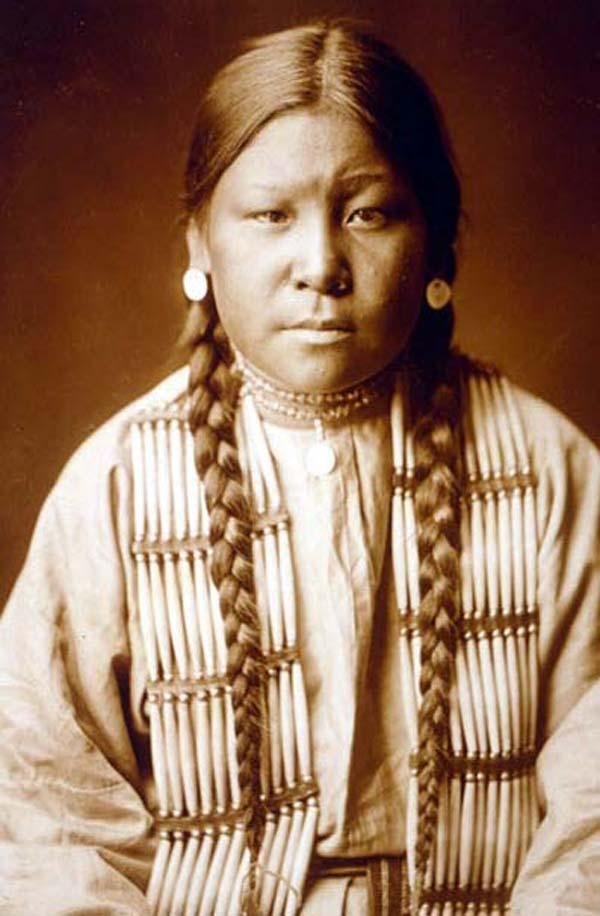 Buffalo Calf Road Woman,
In June of 1876 General Crook's column was marching northward in what is now Wyoming with the intent to find the resisting Lakota and Cheyennes and force them onto the reservation. Crook's force, called the Bighorn and Yellowstone Expedition, consisted of 993 cavalry and mule-mounted infantry, 197 civilian packers and teamsters, 65 Montana miners, three scouts, and five journalists. They were intending to meet up with Custer's force. On June 17th the US Army was resting when Tȟašúŋke Witkó (Crazy Horse) and ~1,000–1,800 warriors engaged them. The battle which ensued would last for six hours and consist of disconnected actions and charges and counter-charges by Crook and Crazy Horse, the two forces spread out over a fluid front three miles wide.
The Cheyenne name for the battle comes from something which occurred during an attempted US Cavalry advance led by Captain Anson Mills. A Cheyenne warrior, Comes in Sight, had his horse shot. While fleeing on foot from Mills' advancing soldiers, his sister Buffalo Calf Road Woman (Mutsimiuna) rode to his rescue. Comes in Sight jumped onto her horse and the two successfully escaped. Mills was impressed with the swarming Indians at his front. "They were the best cavalry soldiers on earth. In charging up toward us they exposed little of their person, hanging on with one arm around the neck and one leg over the horse, firing and lancing from underneath the horses' necks, so that there was no part of the Indian at which we could aim."
This battle is considered one of the main reasons for the Lakota and Cheyenne's decisive win at the Battle of Greasy Grass one week later. It greatly delayed General Crook's column who may have otherwise been present with Custer. Between 10,000 and 25,000 rounds of 45-70 caliber rifle and carbine ammunition were expended by the US Army during a half day's fight with only a dozen or so enemy casualties.
The Cheyenne name for the battle comes from something which occurred during an attempted US Cavalry advance led by Captain Anson Mills. A Cheyenne warrior, Comes in Sight, had his horse shot. While fleeing on foot from Mills' advancing soldiers, his sister Buffalo Calf Road Woman (Mutsimiuna) rode to his rescue. Comes in Sight jumped onto her horse and the two successfully escaped. Mills was impressed with the swarming Indians at his front. "They were the best cavalry soldiers on earth. In charging up toward us they exposed little of their person, hanging on with one arm around the neck and one leg over the horse, firing and lancing from underneath the horses' necks, so that there was no part of the Indian at which we could aim."
This battle is considered one of the main reasons for the Lakota and Cheyenne's decisive win at the Battle of Greasy Grass one week later. It greatly delayed General Crook's column who may have otherwise been present with Custer. Between 10,000 and 25,000 rounds of 45-70 caliber rifle and carbine ammunition were expended by the US Army during a half day's fight with only a dozen or so enemy casualties.