James Somerset escapes slavery, leading to the Somerset v Stewart decision
Oct. 1, 1771
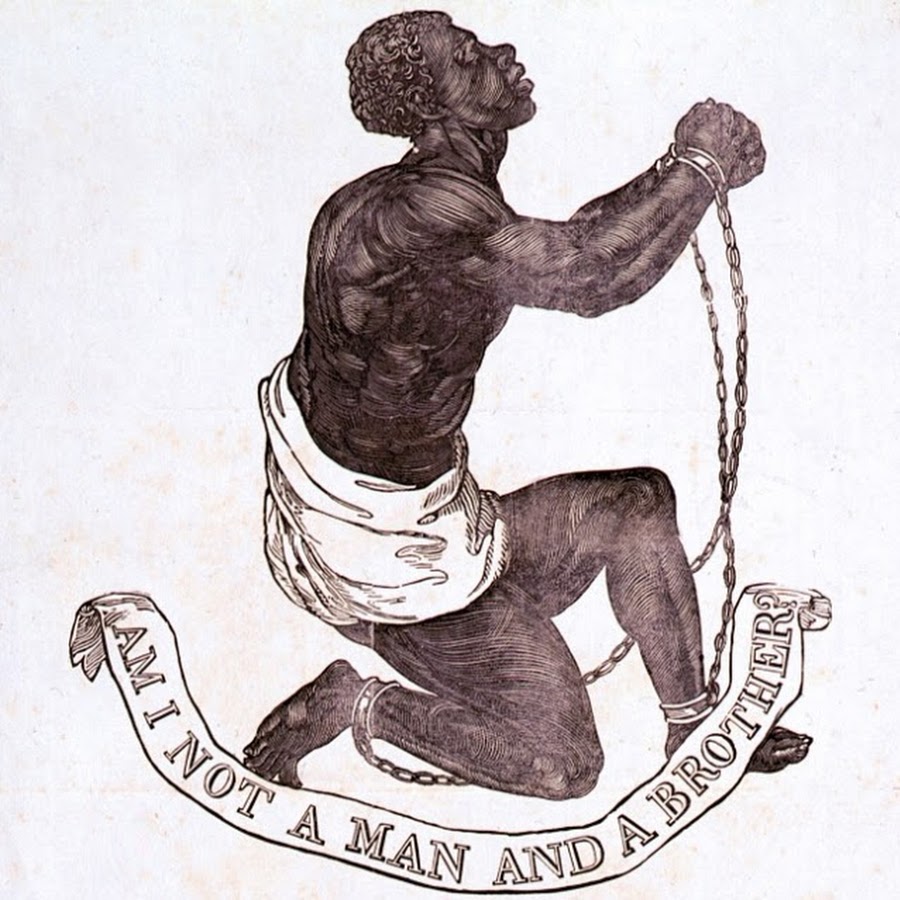 Official Medallion of the British Anti-Slavery Society
James Somerset was a man from West Africa who was kidnapped and sold into slavery in Virginia as a child. His slave owner moved with him to England in 1769. He ceased serving his master and escaped on this day in 1771 and lived in freedom for two months before recapture. Somerset's act of self liberation led to an extremely important abolition case known as the Somerset decision. Abolitionists filed a Habeas corpus on his behalf and argued against the institution of slavery in England and Wales. On 22 June 1772, the judge, Lord Mansfield, found in favour of Somerset. Within England the ruling had a large impact, and in Britain's slave holding colonies the reaction was extremely hostile, especially in America. His act of defiance led to a new wave of abolitionism in Britain and eventually to Britain’s highest legislative body ending the Empire’s participation in the Trans Atlantic Slave Trade in 1807, and twenty-six years later Parliament’s passage of the Emancipatory Act of 1833.